Hotel Dost
Hotel Dost

If you run a hotel or manage one, you’ve probably heard this line more times than you can count:
“Sell more rooms.”
Simple advice.
But anyone on the ground knows it’s rarely that simple.
Is it doable? Yes.
Is it manageable? Also yes, if you approach it the right way.
When hotels stop chasing quick fixes and start stacking the right strategies together, occupancy and overall
revenue can change dramatically.
Here’s how we break it down practical, proven and easy to understand.
Let’s start with something familiar.
At every family function, there’s that one uncle. The one who spots you in a crowded room, senses you’re uncomfortable and casually pulls you into a conversation. Suddenly, everything feels lighter.
That’s exactly how guests feel in hotels.
New city. New environment. New people.
Even confident travelers can feel unsure at first.
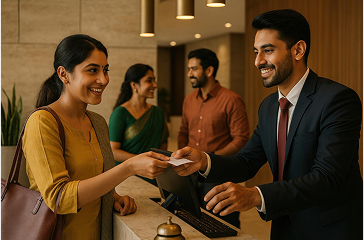
This is where well-trained, guest-facing staff make all the difference.
These moments outlast room size, views, or amenities. Every hotel offers rooms, Wi-Fi, bathrooms and toiletries. What guests remember is how you made them feel. Guests who feel genuinely cared for:
That’s not branding. That’s revenue that compounds over time.
Every hotel and property has its own distinct identity.
The real work lies in bringing that identity to life through details.
Picture a small hotel or resort in a village or semi-rural setting. Many guests, especially international travelers aren’t looking for generic comfort. They’re looking for context.
Instead of standard activities, think curated, local-led experiences:
These experiences:
More often than not, it’s the simplest ideas that leave the strongest impression.
When hotels bring the local community into the guest experience, everyone benefits. You get:
and guests get what they increasingly want real stories, not packaged ones. This could look like:
These moments create emotional connections, something no luxury upgrade can match.
Being everywhere is not the same as being effective. Some OTAs:
Instead, focus on OTAs that actually perform for your property. Ask yourself:
In some markets, MakeMyTrip works best. In others, Booking.com delivers better results. This is a classic case of quality over quantity.
At this point, good tools are non-negotiable. The right PMS and Channel Manager:
Yes, they come with a recurring cost and that’s exactly the point. These tools are designed to pay for themselves through better control, efficiency and revenue visibility. Think of it like this: A woodcutter’s strength matters less than how sharp the axe is. Sharper tools mean smoother operations and more time to focus on guests.
One of the most common mistakes hotels make is doing too much. Overloaded menus and oversized buffets often lead to:
A smarter approach:
Many brands earn crores selling just a few items. Revenue grows when focus replaces excess. You can always offer an extended à la carte menu. But when it comes to buffets, less done well always wins.
Most guests don’t travel alone. Families include children, teenagers, adults and elders; each with different needs. Simple zoning ideas:
These don’t need heavy investments, just thoughtful planning. Guests want to spend time together and have space of their own. When you get that balance right, satisfaction naturally goes up.
Everyone remembers businesses that do a little extra, especially when that extra feel thoughtful, unexpected and personal. Think of a clothing store that offers free alterations. You remember them, don’t you? Hotels that:
St and out instantly. It doesn’t always cost money. It takes empathy and intent. and guests reward that with loyalty and recommendations.
Rooms are important, but they’re only one part of the revenue picture. Hotels that grow sustainably think beyond room nights:
The goal isn’t just to fill rooms. It’s to unlock the full earning potential of the property. Sell the hotel as an experience, not just a bed for the night.